


The Differentiation Gap: If Every School Teaches the Same Thing, How Will Your Child Ever Stand Out?
Updated: Jan 26
Here's an uncomfortable truth most parents don't want to hear: if your child is learning the exact same content, in the exact same way, as every other student in the US: they will graduate looking exactly like every other student in the US.
Same resume. Same skill set. Same limitations.
The education system has convinced parents that "well-rounded" is the goal. That exposing children to a little bit of everything prepares them for anything. But in reality, this approach produces graduates who are adequate at many things and exceptional at nothing.
This is the Differentiation Gap: and it's quietly undermining your child's future while you're being told everything is fine.
The Factory Model Is Still Running
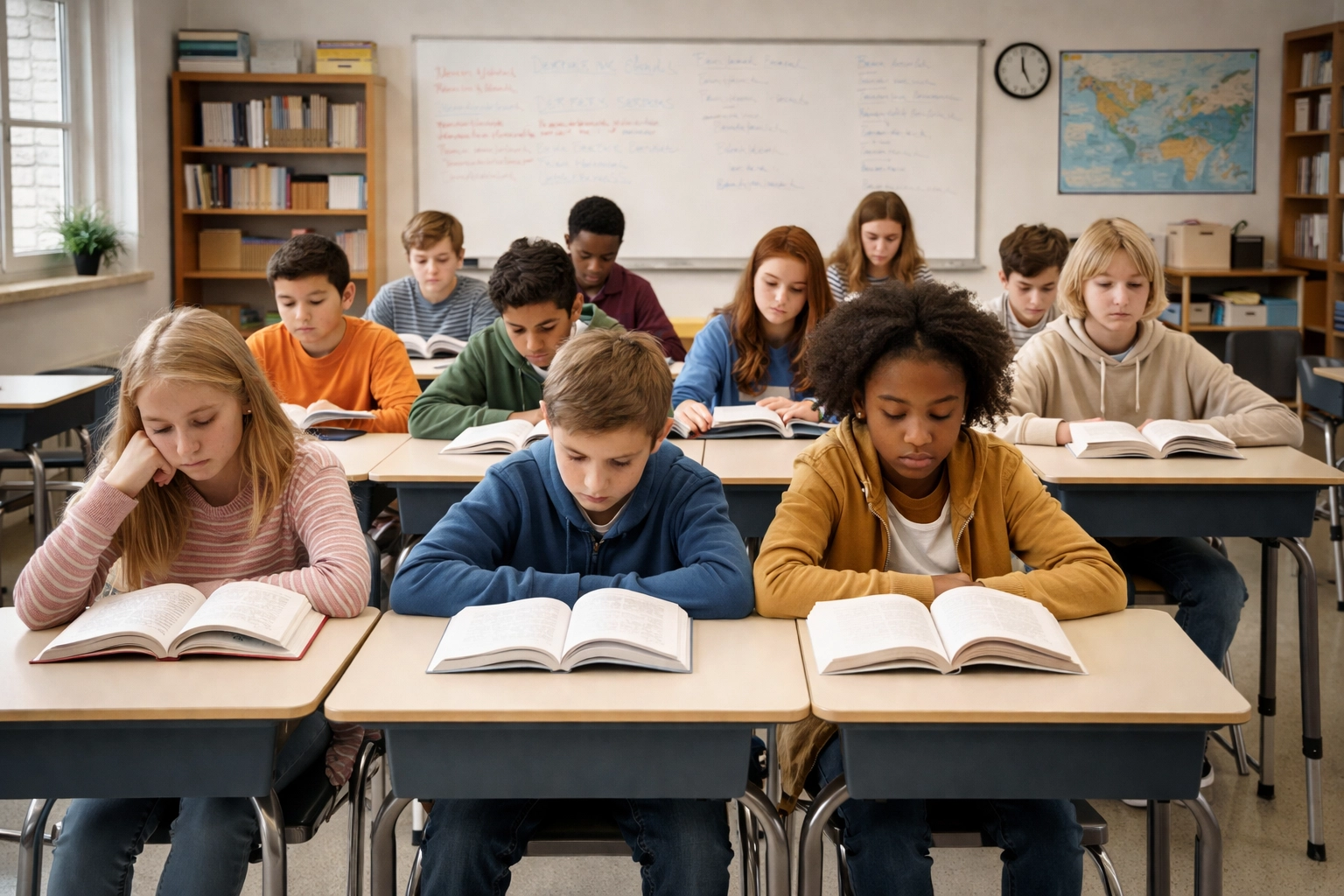
Traditional education was designed over a century ago to produce factory workers. Standardized curriculum. Standardized testing. Standardized outcomes.
The problem? We don't live in a factory economy anymore.
Yet most schools still operate on the same basic premise:
Teach the same content to every student
Measure success through identical assessments
Graduate students with interchangeable credentials
This isn't education. It's mass production.
And mass production creates commodities, not leaders.
When every school in your city teaches the same math curriculum, the same reading standards, the same surface-level exposure to science and history: what exactly makes your child different from the 50,000 other students going through the same system?
The Real Meaning of "Differentiation"
True differentiation isn't about teaching the same material in slightly different ways. It's not about offering a few enrichment activities or letting students choose between a poster and a PowerPoint for their final project.
Real differentiation means teaching different skills entirely.
It means recognizing that:
Not every child needs the same depth in the same subjects
Some skills matter more than others for future success
Specialized mastery beats generalized exposure every time
The schools that understand this aren't trying to create well-rounded students. They're trying to create strategically developed leaders with specific, valuable competencies that most graduates simply don't have.
This is the difference between:
A student who "learned Spanish" for two years vs. a student who communicates fluently in four languages
A student who "did group projects" vs. a student who leads collaborative problem-solving sessions
A student who "gave a presentation once" vs. a student who commands a room through practiced public speaking
The gap between these two students isn't intelligence. It's specialization.
What Specialized Education Actually Looks Like
At ILIM School, we made a strategic decision years ago: stop trying to teach everything and start teaching specific skills deeper.
This means our students: from early learners through middle school: develop mastery in competencies that traditional schools barely touch:
1. Problem-Solving as a Core Discipline
Most schools treat problem-solving as a byproduct of math class. We treat it as its own subject.
Our students learn structured approaches to:
Breaking down complex challenges into manageable parts
Evaluating multiple solutions before committing
Iterating when their first approach doesn't work
Collaborating across different thinking styles
By the time our middle schoolers graduate, they've solved hundreds of real-world problems: not theoretical textbook exercises. They've developed problem-solving fluency that most adults never achieve.
2. Public Speaking and Communication Mastery
Here's a statistic that should concern every parent: 75% of people fear public speaking more than death.
That fear doesn't develop in adulthood. It develops in childhood: in classrooms where speaking up is risky, presentations are rare, and communication skills are never explicitly taught.
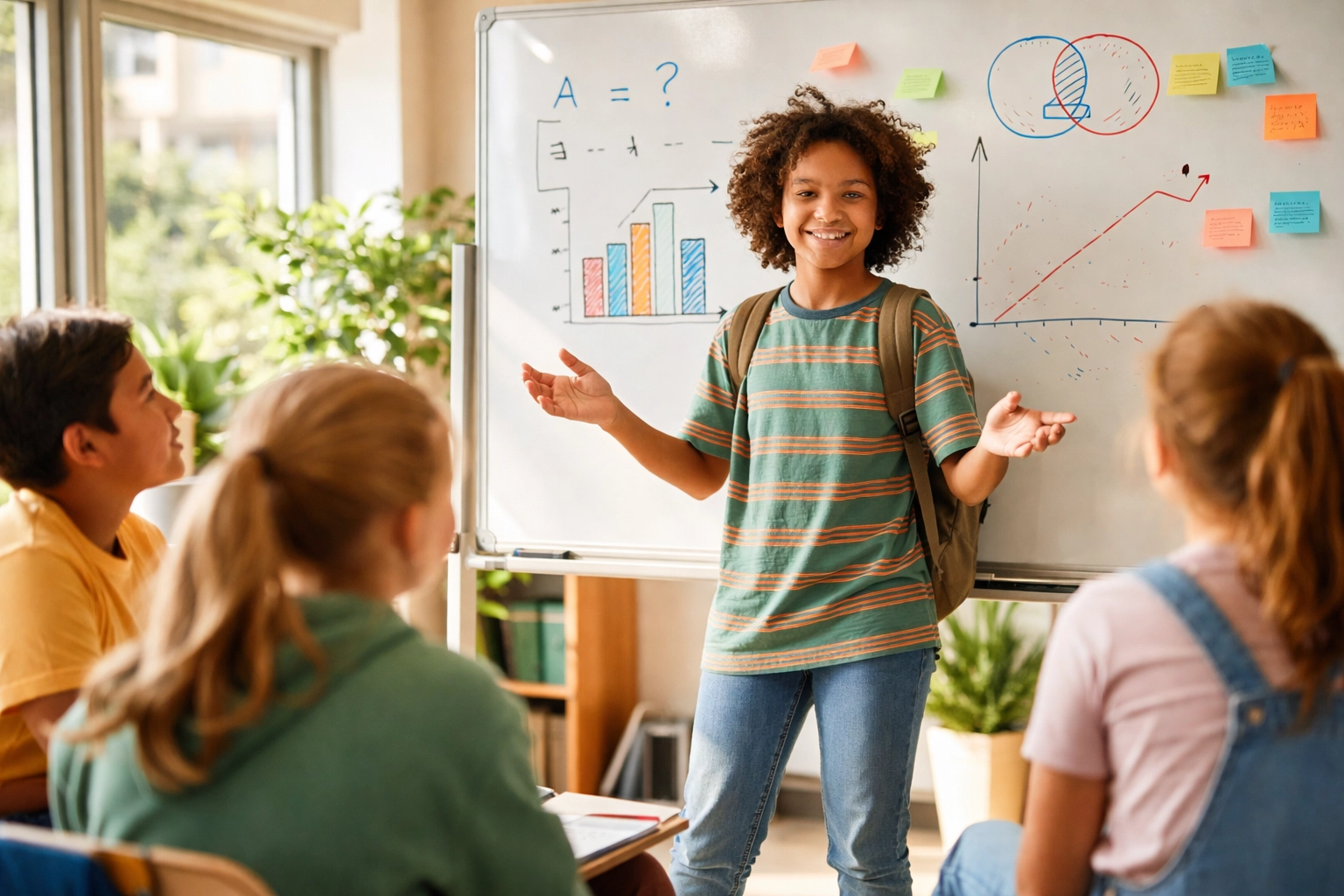
At ILIM, public speaking isn't an occasional activity. It's a daily practice.
Our students: including our 11 and 12-year-olds: regularly:
Present their ideas to peers, teachers, and visitors
Defend their reasoning in structured discussions
Lead meetings and collaborative sessions
Communicate complex concepts in multiple languages
By middle school, our students speak with a confidence and clarity that most college graduates lack.
3. Fluency in Four Languages
Most language immersion schools in Charlotte NC focus on one target language: usually Spanish or Mandarin. That's a start, but it's not enough.
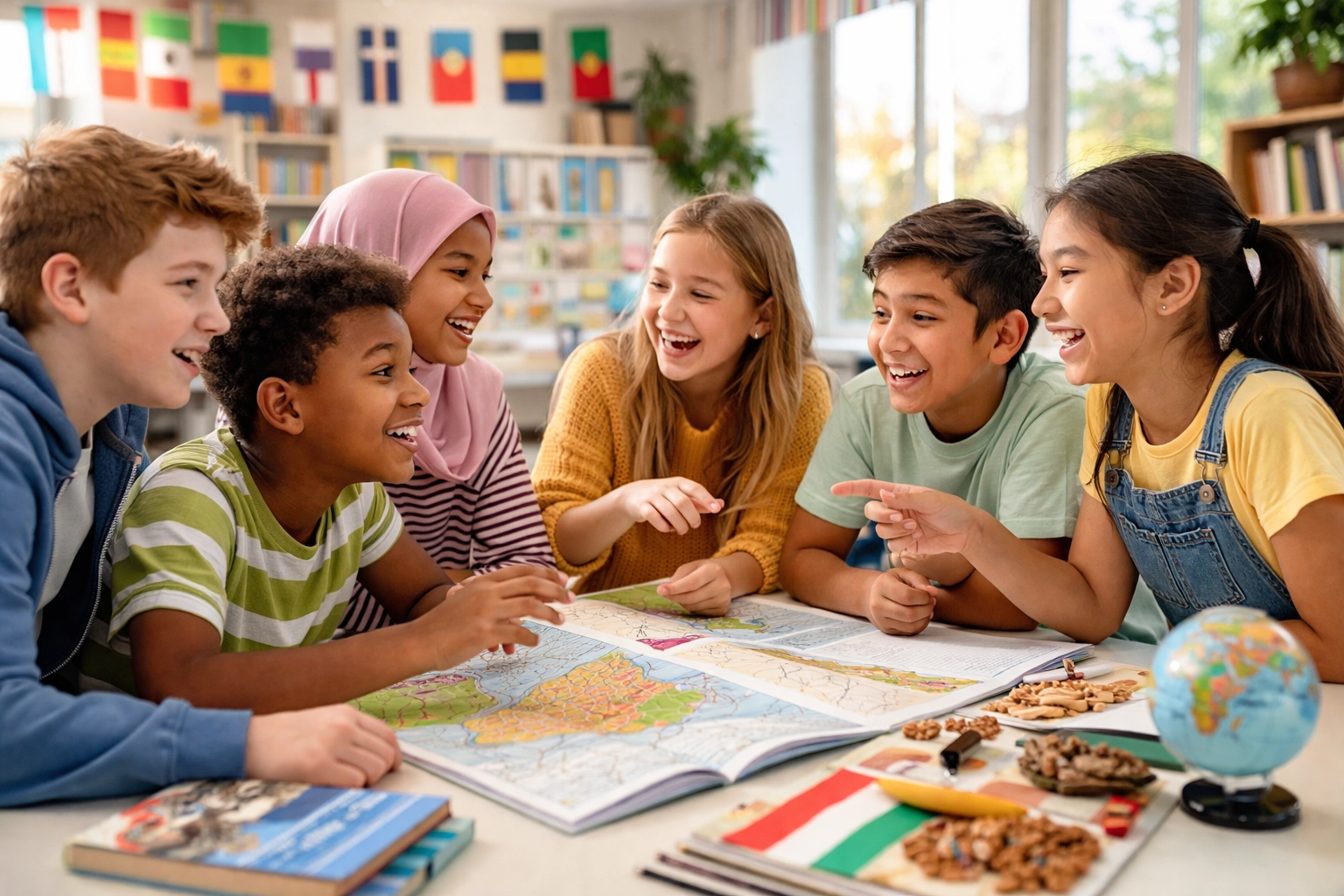
ILIM students develop functional fluency in four languages. This isn't about memorizing vocabulary lists or conjugating verbs on worksheets. It's about:
Thinking in multiple languages
Switching between languages based on context
Understanding cultural nuances embedded in language
Communicating authentically with diverse communities
This level of linguistic competency opens doors that monolingual graduates will never even see.
4. Cultural Competency and Code-Switching
The future economy is global. The future workforce is diverse. The future leaders are the ones who can navigate different cultural contexts with authenticity and ease.
Code-switching: the ability to adjust communication style, behavior, and approach based on cultural context: is one of the most valuable skills a young person can develop. And almost no schools teach it.
At ILIM, cultural competency isn't a unit in social studies. It's woven into everything we do:
Students interact with peers and teachers from diverse backgrounds daily
They learn to recognize and respect different communication styles
They practice adapting their approach without losing their identity
They develop genuine comfort in multicultural environments
Our middle school students move between cultural contexts with a fluidity that most adults never develop.

Why Depth Beats Breadth Every Time
Parents often worry that specialized education means their child will "miss out" on something important. This fear keeps families trapped in generalized programs that promise everything and deliver nothing exceptional.
But consider this: in what field does surface-level knowledge outperform deep expertise?
Employers don't hire the candidate who "knows a little about everything"
Universities don't admit the applicant who's "pretty good at most things"
Leaders don't emerge from the crowd by being "generally capable"
Depth creates differentiation. Breadth creates commodities.
When your child develops genuine mastery in problem-solving, public speaking, multilingual communication, and cultural competency: they possess skills that cannot be easily replicated. They stand out not because they're "smart" but because they can do things other candidates simply cannot do.
The Questions Every Charlotte Parent Should Be Asking
If you're evaluating schools for your child, stop asking:
"What's your test score average?"
"How many AP classes do you offer?"
"What percentage go to college?"
Start asking:
"What specific skills will my child master here that they won't master elsewhere?"
"How does your curriculum create differentiation, not just completion?"
"What can your graduates DO that other graduates cannot?"
If a school can't answer these questions with specifics: if they default to vague promises about "well-rounded education" or "college preparation": they're running a factory, not developing leaders.
The Specialized Path Forward
The Differentiation Gap is real. And it's widening.
As more schools double down on standardized curriculum and generalized content, the students who receive specialized, strategic skill development will pull further ahead.
These students won't just compete for the same opportunities as everyone else. They'll access opportunities that don't exist for generalized graduates.
At ILIM School, we've built our entire approach around this principle. We don't try to teach everything. We teach the skills that actually create future leaders: and we teach them deeper than any traditional school can.
Problem-solving. Public speaking. Four-language fluency. Cultural competency. Code-switching.
These aren't enrichment activities. These are the core competencies that differentiate exceptional graduates from average ones.
Ready to see the difference specialized education makes?
Want to learn more? From early learners through middle school: you'll see students demonstrate skills that most adults haven't mastered.
Or if you're sensing that traditional school "isn't working" for your child, take the first step: Find out why your child isn't thriving and discover how their brain actually learns best.
Your child wasn't meant to be a commodity. Stop letting schools treat them like one.


Comments